
Secure Document Storage for Families: What to Look For
A password isn't enough to protect your family's most important documents. Here's what real secure storage looks like.
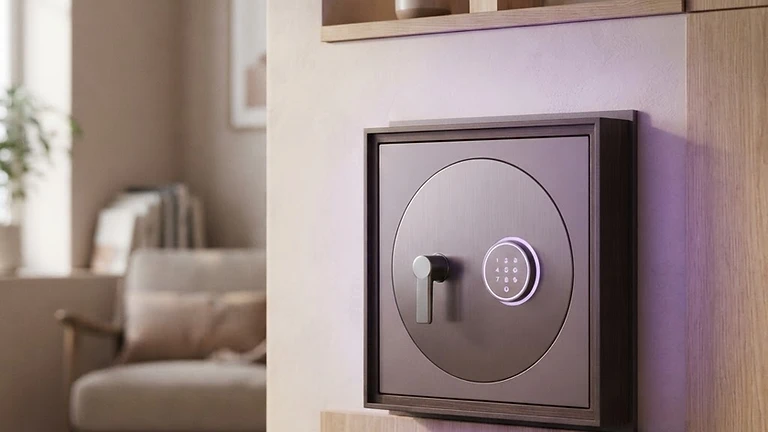
When families look for secure document storage, they usually start with the same question: "Is it safe?" It's the right question, but the answer is more than a yes or no.
Here's what real security for family documents looks like.
Encryption at rest, not just in transit
Most services encrypt your files as they travel across the internet. Fewer encrypt them where they're stored — "at rest." For sensitive family documents, you want both. Encryption at rest means that even if the storage were compromised, your records remain unreadable without the key.
This matters because the most sensitive documents — deeds, insurance policies, medical records, passwords — are exactly the ones a family needs most urgently, and exactly the ones that cause the most harm if exposed.
You stay in control
Secure storage isn't just about keeping bad actors out. It's about you deciding who gets in. Look for:
- You set the access — you choose which trusted contacts can reach which categories
- Access is scoped — a contact can see the insurance records you authorize, not everything
- Nothing is shared by default — your records are private until you say otherwise
Keep these documents safe and findable.
Afterly stores them encrypted, ready for the people who'll need them.
A plan for when you can't be there
This is the part most storage services ignore entirely. Secure storage that only you can open is secure, but it's not useful to your family in the moment they'd need it most.
A complete system includes a release plan: a regular check-in that, if missed, begins a process to let your trusted contacts reach your records — with confirmations and a grace period so it only happens when it should.
That's the difference between a safe and a vault. A safe protects. A vault protects and delivers.
What to store
For most families, the important categories are:
- Financial accounts — bank, investment, retirement
- Insurance — life, health, property
- Legal documents — will, powers of attorney, deeds
- Medical — providers, conditions, advance directives
- Property — titles, mortgages, warranties
- Digital assets — email, cloud accounts, subscriptions. According to Kitces.com's analysis of digital asset planning, 79% of Americans say protecting digital assets is important, yet only 29% feel knowledgeable about how to do it.
- Personal messages — the words you'd want loved ones to have
The peace of mind test
The real measure of secure storage isn't a feature list. It's this: if something happened to you tomorrow, would your family be able to find and reach what they need?
If you can't answer that with confidence, the storage isn't doing its job — no matter how strong the encryption. The right system lets you answer yes, calmly, today.
For more on choosing the right tool, see our guide to the best app to organize important documents. And if you're weighing whether you also need a formal will, our guide to trust and will alternatives covers how the two work together.
Related reading
Ready to get organized?
Afterly keeps your important documents, accounts and messages in one secure vault, ready for the people who'll need them.
Start your vault free